Hepatitis B: Clinical Presentation, Diagnostic Evaluation, Management, and Outcomes – A Case Report
OthersPage Navigation
Abstract
Hepatitis B is a major global infectious disease caused by the Hepatitis B virus (HBV), primarily affecting the liver and leading to both acute and chronic hepatic injury. Chronic Hepatitis B infection remains a significant public health burden due to its association with liver cirrhosis, hepatic failure, and hepatocellular carcinoma. Transmission commonly occurs through blood exposure, sexual contact, perinatal transmission, and contaminated medical procedures.
We present the case of a 38-year-old male who presented with progressive fatigue, jaundice, anorexia, abdominal discomfort, and elevated liver enzymes. Serological evaluation confirmed active Hepatitis B infection with positive HBsAg and elevated HBV DNA levels. Ultrasound examination revealed mild hepatomegaly without evidence of cirrhosis. The patient was managed with antiviral therapy, lifestyle modification, regular monitoring of liver function, and supportive care, resulting in significant clinical and biochemical improvement.
This case highlights the importance of early diagnosis, serological evaluation, timely antiviral management, patient counseling, and long-term follow-up in preventing complications associated with Hepatitis B infection.
Introduction
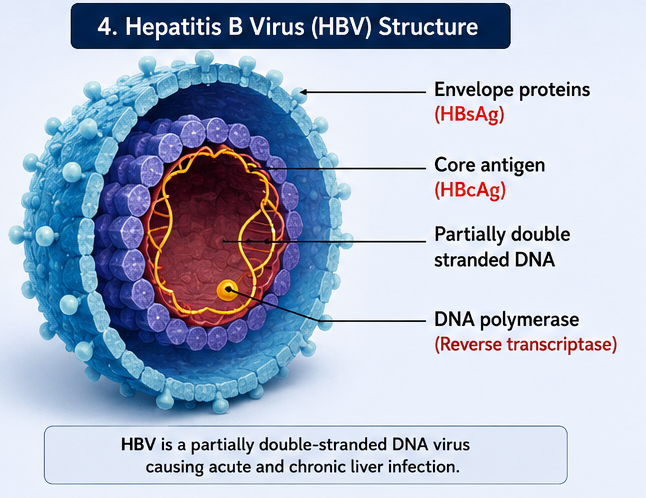
Hepatitis B is a viral infection caused by the Hepatitis B virus, a partially double-stranded DNA virus belonging to the Hepadnaviridae family. HBV primarily affects hepatocytes and can produce acute hepatitis, chronic hepatitis, liver fibrosis, cirrhosis, and hepatocellular carcinoma.
Globally, Hepatitis B remains one of the most common chronic viral infections, particularly in developing countries where vaccination coverage and awareness remain inadequate. Chronic HBV infection contributes substantially to liver-related morbidity and mortality worldwide.
The disease may remain asymptomatic for prolonged periods, leading to delayed diagnosis and progressive hepatic damage. Early identification and appropriate antiviral therapy are essential to reduce viral replication, prevent hepatic complications, and improve long-term survival.
Important risk factors include:
- Unprotected sexual exposure
- Blood transfusion with infected blood
- Intravenous drug abuse
- Needle-stick injuries
- Perinatal transmission
- Multiple sexual partners
- Unsafe medical procedures
- Hemodialysis exposure
- Tattooing and piercing with contaminated instruments
- Immunosuppression
Common symptoms include:
- Fatigue
- Jaundice
- Loss of appetite
- Nausea and vomiting
- Abdominal pain
- Dark urine
- Fever
- Hepatomegaly
- Malaise
- Weight loss
Early diagnosis and vaccination remain the cornerstone strategies for controlling Hepatitis B infection globally.
Case Report
Patient History
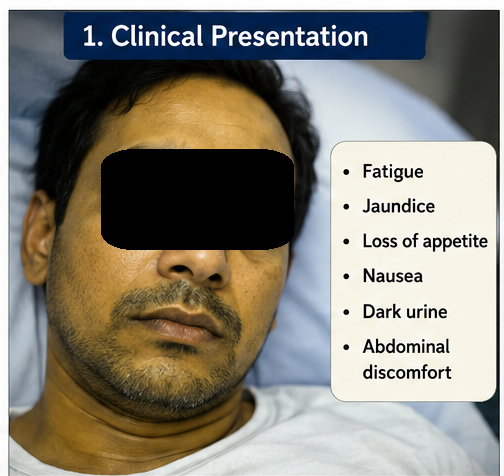
A 38-year-old male presented to the gastroenterology outpatient department with:
- Progressive fatigue for 3 weeks
- Yellowish discoloration of eyes and skin
- Loss of appetite
- Nausea and intermittent vomiting
- Right upper abdominal discomfort
- Dark-colored urine
- Generalized weakness
The patient reported worsening fatigue and jaundice over the preceding 10 days. He also complained of mild fever and reduced oral intake.
There was no history of:
- Alcohol dependence
- Previous liver disease
- Tuberculosis
- Diabetes mellitus
- Recent travel history
- Drug-induced liver injury
Detailed history revealed that the patient had undergone dental extraction approximately four months earlier at a local clinic.
Past medical history was otherwise unremarkable.
Clinical Examination
General Examination
Clinical examination revealed:
- Conscious and oriented patient
- Mild icterus present
- Pulse rate: 84/min
- Blood pressure: 126/80 mmHg
- Respiratory rate: 18/min
- Afebrile at presentation
- Mild dehydration
Systemic Examination
Abdominal examination demonstrated:
- Mild hepatomegaly
- Right hypochondrial tenderness
- No splenomegaly
- No ascites
Cardiovascular and respiratory examinations were within normal limits.
No features of hepatic encephalopathy were observed.
Clinical Evaluation
Differential Diagnosis
The following conditions were considered:
- Acute viral hepatitis
- Alcoholic hepatitis
- Drug-induced liver injury
- Autoimmune hepatitis
- Hepatitis A infection
- Hepatitis C infection
- Obstructive jaundice
The presence of jaundice, elevated liver enzymes, and exposure history strongly suggested viral hepatitis.
Investigations
Laboratory Findings
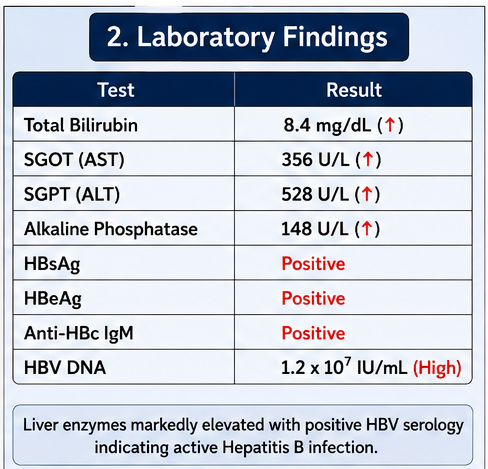
Initial laboratory investigations revealed:
- Hemoglobin: Normal
- White blood cell count: Mildly elevated
- Serum bilirubin: 8.4 mg/dL
- SGOT (AST): Markedly elevated
- SGPT (ALT): Markedly elevated
- Alkaline phosphatase: Mildly elevated
- Serum albumin: Normal
Coagulation profile showed mildly prolonged prothrombin time.
Serological Evaluation
HBV serology demonstrated:
- HBsAg: Positive
- HBeAg: Positive
- Anti-HBc IgM: Positive
- HBV DNA levels: Elevated
Further evaluation revealed:
- Hepatitis C antibody: Negative
- HIV serology: Negative
- Hepatitis A IgM: Negative
Ultrasound Abdomen
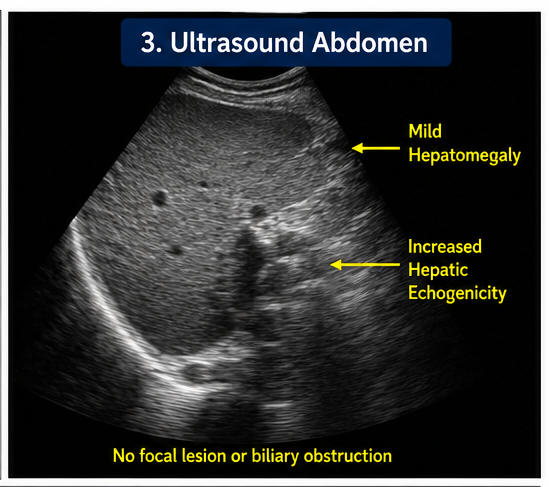
Ultrasonography demonstrated:
- Mild hepatomegaly
- Increased hepatic echogenicity
- No focal liver lesion
- No biliary obstruction
- No evidence of portal hypertension
The imaging findings supported inflammatory hepatic involvement without advanced chronic liver disease.
Diagnosis
Based on clinical presentation, liver function abnormalities, positive HBV serology, and elevated HBV DNA levels, a diagnosis of Acute Hepatitis B Infection with Active Viral Replication was established.
Management and Outcome
Initial Medical Management
The patient was admitted for monitoring and supportive management.
Treatment included:
- Adequate hydration
- Nutritional support
- Antiemetics
- Hepatoprotective measures
- Avoidance of hepatotoxic medications
The patient was advised:
- Strict alcohol avoidance
- Adequate rest
- Safe sexual practices
- Regular follow-up
Antiviral Therapy
Due to high viral load and persistent biochemical abnormalities, antiviral therapy was initiated with:
- Tenofovir disoproxil fumarate
Liver function tests and viral markers were monitored periodically.
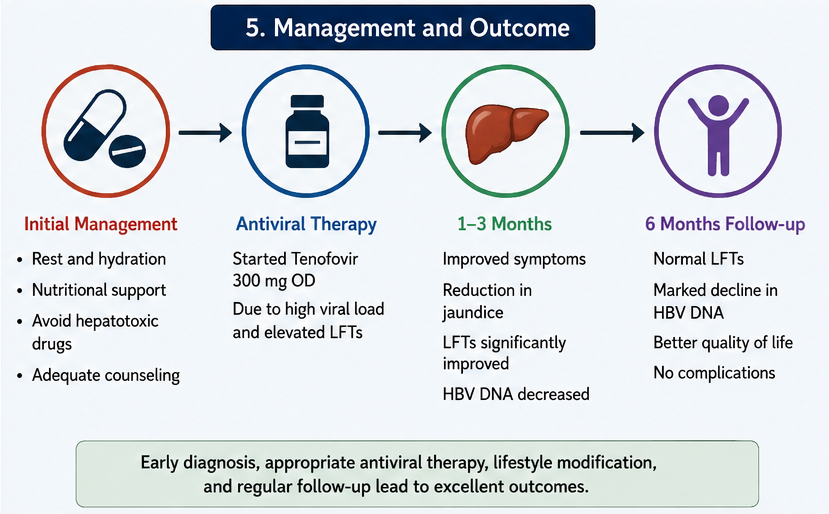
Follow-Up and Clinical Course
At 2 Weeks
- Reduction in jaundice
- Improved appetite
- Reduced fatigue
- Better oral intake
At 1 Month
- Significant reduction in liver enzyme levels
- Improved bilirubin values
- Resolution of nausea and vomiting
- Improved general well-being
At 3 Months
- Marked clinical improvement
- Normalization of liver function tests
- Significant decline in HBV DNA levels
- No evidence of hepatic decompensation
At 6 Months
- Stable clinical condition
- Improved energy levels
- No progression to chronic liver disease
- Continued antiviral therapy advised
The patient remained under regular hepatology follow-up.
Discussion
Pathophysiology
Hepatitis B virus infects hepatocytes and triggers immune-mediated hepatic inflammation. Viral replication and host immune response contribute to hepatocellular injury and hepatic dysfunction.
Important pathological mechanisms include:
- Hepatocyte infection by HBV
- Immune-mediated liver injury
- Hepatic inflammation
- Hepatocellular necrosis
- Fibrosis development
- Persistent viral replication
- Chronic hepatic damage
Persistent infection may progress to liver cirrhosis and hepatocellular carcinoma if untreated.
Epidemiology
Important epidemiological features include:
- One of the most common chronic viral infections worldwide
- High prevalence in Asia and Africa
- Major cause of liver cirrhosis
- Significant contributor to hepatocellular carcinoma
- Transmission commonly occurs through blood and body fluids
- Preventable through vaccination
Global vaccination programs have significantly reduced disease prevalence in many regions.
Clinical Manifestations
Clinical presentation varies widely depending on disease severity and immune response.
Common clinical features include:
- Fatigue
- Jaundice
- Nausea
- Vomiting
- Abdominal discomfort
- Dark urine
- Hepatomegaly
- Fever
- Weight loss
Chronic infection may remain asymptomatic for years before hepatic complications develop.
Diagnostic Considerations
Important diagnostic modalities include:
- Liver function tests
- HBV serology
- HBV DNA quantification
- Ultrasound abdomen
- Liver elastography
- Liver biopsy in selected cases
HBsAg positivity for more than six months suggests chronic HBV infection.
HBV DNA quantification helps assess viral replication and therapeutic response.
Treatment Modalities
Supportive Management
Supportive care includes:
- Adequate hydration
- Nutritional support
- Rest
- Monitoring liver function
- Avoidance of alcohol and hepatotoxic drugs
Pharmacological Therapy
Common antiviral medications include:
- Tenofovir
- Entecavir
- Pegylated interferon
Antiviral therapy aims to suppress viral replication and reduce progression to cirrhosis.
Preventive Measures
Preventive strategies include:
- Universal vaccination
- Safe blood transfusion practices
- Safe injection techniques
- Screening of pregnant women
- Barrier protection during sexual contact
Vaccination remains highly effective in preventing HBV infection.
Complications
Potential complications of untreated Hepatitis B include:
- Chronic hepatitis
- Liver cirrhosis
- Hepatic failure
- Portal hypertension
- Ascites
- Hepatic encephalopathy
- Hepatocellular carcinoma
- Coagulopathy
Delayed diagnosis may significantly worsen prognosis and survival.
Prognosis
The prognosis depends upon:
- Viral load
- Severity of liver injury
- Immune response
- Early diagnosis
- Antiviral therapy adherence
- Development of complications
- Long-term follow-up
Most patients receiving timely diagnosis and appropriate antiviral therapy achieve favorable outcomes and reduced disease progression.
Conclusion
Hepatitis B remains a major global health concern capable of causing significant hepatic morbidity and mortality if left untreated. Early recognition of jaundice, fatigue, and hepatic dysfunction combined with timely serological evaluation is essential for accurate diagnosis and management.
This case highlights the importance of detailed clinical evaluation, HBV serological testing, antiviral therapy, patient counseling, vaccination awareness, and long-term monitoring in achieving favorable clinical outcomes and preventing progression to chronic liver disease and hepatic complications.
References
- World Health Organization. Hepatitis B. https://www.who.int/news-room/fact-sheets/detail/hepatitis-b
- Terrault NA, Lok ASF, McMahon BJ, et al. Update on prevention, diagnosis, and treatment of chronic hepatitis B. https://pubmed.ncbi.nlm.nih.gov/29405329/
- Centers for Disease Control and Prevention. Hepatitis B Information. https://www.cdc.gov/hepatitis/hbv/index.htm
- European Association for the Study of the Liver. EASL Clinical Practice Guidelines on Hepatitis B. https://pubmed.ncbi.nlm.nih.gov/28427875/
- Schweitzer A, Horn J, Mikolajczyk RT, et al. Estimations of worldwide prevalence of chronic hepatitis B virus infection. https://pubmed.ncbi.nlm.nih.gov/26231459/
- Hepatitis B Foundation. Hepatitis B Overview. https://www.hepb.org/what-is-hepatitis-b/
Read more such content on @ Hidoc Dr | Medical Learning App for Doctors
Recommended News For You
Recommended Articles For You
Featured News
Featured Articles
Featured Events
Featured KOL Videos
1.
Cancer mortality continuing to decline, says report
2.
Radionuclide-Containing Combo Slows Metastatic Prostate Cancer, Improves Survival
3.
Financial hardship common in patients with cancer
4.
The standard for high-risk prostate cancer is supported by a study using high-dose RT and long-term ADT.
5.
Advancing Health in Africa
1.
ERASur: Evaluating Total Ablative Therapy in Limited Metastatic Colorectal Cancer
2.
Understanding the Importance of Knowing Your MCV Normal Range
3.
Uncovering the Causes of Thrombocytosis: A Journey to Improved Health
4.
What You Need to Know About the Early Warning Signs of Colon Cancer
5.
Unraveling the Mysteries of Burkitt Lymphoma: A New Hope for Treatment
1.
Asian Symposium on Advancement in Hematology and Oncology (ASAHO)
2.
International Cancer Conference
3.
Asian Symposium on Advancement in Hematology and Oncology (ASAHO)
4.
Asian Symposium on Advancement in Hematology and Oncology
5.
Asian Symposium on Advancement in Hematology and Oncology
1.
CDK4/6 Inhibitors in Extending Overall Survival in HR+/HER2- aBC Patients in Clinical Trial and Real World
2.
Expert Perspectives on Hematology
3.
A Conclusive Discussion on CROWN Trial and the Dawn of a New Era in Frontline Management of ALK+ NSCLC
4.
Preventing Blood Clots: The Importance of Venous Thromboembolism Management
5.
Iron Deficiency Anemia: Ferric Maltol As a New Treatment Option- Summarization of the New Perspective

Address :
Hidoc Dr. Inc. | Delaware C Corp | 1309 Coffeen Ave. Suite 1200, Sheridan WY, 82801
Phone :
+1-415-463-3094
Email :
anishagadia@hidoc.co
© Copyright 2026 Hidoc Dr. Inc.
Terms & Conditions - LLP | Inc. | Privacy Policy - LLP | Inc. | Account Deactivation

To get started please enter your email ID
Welcome to Hidoc Dr.
Join to enhance your clinical skills and gain specialized in-depth medical knowledge