Type 1 Diabetes Mellitus Due to Autoimmune Beta-Cell Destruction: A Case Report
OthersPage Navigation
Abstract
Type 1 diabetes mellitus (T1DM) is a chronic autoimmune endocrine disorder characterized by immune-mediated destruction of pancreatic beta cells, resulting in absolute insulin deficiency. It commonly presents in children and young adults but may occur at any age. Patients often present with classic symptoms such as polyuria, polydipsia, weight loss, and fatigue, and in some cases with diabetic ketoacidosis. We report a case of newly diagnosed type 1 diabetes mellitus in a young adult presenting with classical hyperglycemic symptoms. Laboratory evaluation confirmed hyperglycemia, ketosis, and evidence of autoimmune beta-cell destruction. The patient was initiated on insulin therapy with subsequent clinical stabilization. This case highlights the importance of early recognition of type 1 diabetes mellitus, differentiation from other forms of diabetes, and prompt initiation of appropriate insulin management to prevent acute and long-term complications.
Introduction
Type 1 diabetes mellitus is an autoimmune disorder resulting from the selective destruction of insulin-producing pancreatic beta cells by autoreactive T lymphocytes. This leads to absolute insulin deficiency and lifelong dependence on exogenous insulin therapy. The disease accounts for approximately 5–10% of all diabetes cases and typically presents during childhood or adolescence, although adult-onset disease is increasingly recognized [1,2].
The autoimmune process is often associated with circulating autoantibodies, including anti-glutamic acid decarboxylase (GAD), islet cell antibodies (ICA), insulin autoantibodies (IAA), and anti-IA-2 antibodies. Progressive beta-cell loss ultimately culminates in symptomatic hyperglycemia and metabolic decompensation [3]. Early diagnosis is essential to prevent life-threatening complications such as diabetic ketoacidosis and to initiate appropriate glycemic control strategies.
Case Report
Patient History
The patient presented with complaints of excessive thirst, increased urinary frequency, unintentional weight loss, and generalized fatigue over the preceding four weeks. The patient also reported increased appetite and occasional nocturia, which had progressively worsened and begun to interfere with daily activities and sleep. Despite adequate food intake, the patient noted a noticeable decline in body weight, raising concern for an underlying metabolic disorder. There was no prior history of diabetes mellitus, hypertension, or any other chronic systemic illness.
The patient denied any recent febrile illness, viral infections, significant psychological stress, or hospitalization preceding symptom onset. There was no history of medication use, including oral hypoglycemic agents, steroids, or immunosuppressive therapy. The patient also denied alcohol or substance abuse. There was no known family history of diabetes mellitus, autoimmune disease, or other endocrine disorders, suggesting a sporadic presentation rather than a hereditary predisposition.
Clinical Findings
On physical examination, the patient appeared mildly dehydrated, with dry oral mucosa and reduced skin turgor, suggesting ongoing fluid loss secondary to osmotic diuresis. Vital signs revealed mild tachycardia, while blood pressure remained within normal limits, with no evidence of orthostatic hypotension. The patient was afebrile and alert, oriented to time, place, and person. Body mass index was lower than age-matched averages, consistent with recent unintentional weight loss.
Systemic examination was otherwise unremarkable. There were no clinical signs of acanthosis nigricans or features suggestive of insulin resistance. Cardiovascular examination revealed normal heart sounds with no murmurs, while respiratory examination was clear. Neurological assessment demonstrated intact cranial nerve function, normal motor strength, preserved reflexes, and no sensory deficits, indicating the absence of acute diabetic neuropathic involvement.
Investigations
Capillary blood glucose testing revealed markedly elevated random blood glucose levels. Laboratory investigations showed:
- Elevated fasting and postprandial plasma glucose
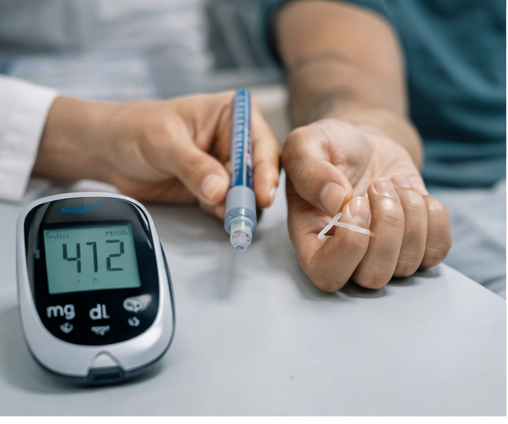
- Glycated hemoglobin (HbA1c) significantly above diagnostic thresholds
- Presence of ketone bodies in urine
- Reduced serum C-peptide levels, indicating impaired endogenous insulin secretion
- Positive anti-glutamic acid decarboxylase (GAD) antibodies, supporting an autoimmune etiology
Arterial blood gas analysis did not reveal severe acidosis, and electrolyte levels were within acceptable limits, ruling out overt diabetic ketoacidosis at presentation.
Based on clinical features and laboratory findings, a diagnosis of type 1 diabetes mellitus due to autoimmune beta-cell destruction was established.
Management and Outcome
The patient was initiated on a basal–bolus insulin regimen tailored to body weight, daily insulin requirements, and glycemic profile, with dose adjustments guided by frequent capillary blood glucose monitoring.



Comprehensive diabetes education was provided, including detailed instruction on insulin administration techniques, injection site rotation, self-monitoring of blood glucose, recognition and management of hypoglycemia, and sick-day rules.

Following initiation of insulin therapy, the patient demonstrated rapid symptomatic improvement, with resolution of polyuria and polydipsia and gradual improvement in energy levels. Blood glucose levels stabilized within target ranges. The patient was enrolled in a structured follow-up program with regular endocrinology consultations, diabetes educator support, and periodic laboratory monitoring. At follow-up visits, glycemic control improved progressively, with declining HbA1c levels and no episodes of severe hypoglycemia. The patient demonstrated good adherence to insulin therapy, dietary recommendations, and lifestyle modifications, contributing to sustained metabolic control.
Discussion
Type 1 diabetes mellitus is characterized by immune-mediated destruction of pancreatic beta cells, leading to absolute insulin deficiency. The disease process is often insidious, with a prolonged asymptomatic phase before clinical manifestation, once a critical mass of beta cells has been destroyed [2,3].
Classical symptoms of hyperglycemia, including polyuria, polydipsia, polyphagia, and weight loss, should prompt immediate evaluation for diabetes, particularly in young individuals without features of insulin resistance. Measurement of pancreatic autoantibodies and C-peptide levels aids in distinguishing type 1 diabetes from type 2 diabetes and other forms such as latent autoimmune diabetes in adults (LADA) [4].
Early initiation of insulin therapy is essential not only for symptom control but also for preserving residual beta-cell function and preventing acute metabolic complications. Long-term management focuses on maintaining optimal glycemic control to reduce the risk of microvascular and macrovascular complications, including retinopathy, nephropathy, neuropathy, and cardiovascular disease [5].
Conclusion
Type 1 diabetes mellitus should be strongly suspected in patients presenting with classical hyperglycemic symptoms, particularly when accompanied by weight loss and absence of insulin resistance features. The disease results from autoimmune destruction of pancreatic beta cells, leading to absolute insulin deficiency and lifelong insulin dependence [1,3].
Accurate diagnosis supported by laboratory evidence of autoimmunity and reduced endogenous insulin secretion is critical for timely initiation of therapy. Early insulin treatment, patient education, and structured follow-up are key to achieving glycemic control and preventing both acute and chronic complications. Increased clinician awareness facilitates early diagnosis, individualized management, and improved long-term outcomes in patients with type 1 diabetes mellitus.
References
- Atkinson MA, Eisenbarth GS, Michels AW. Type 1 diabetes. Lancet. 2014;383(9911):69–82.
- American Diabetes Association. Classification and diagnosis of diabetes. Diabetes Care. 2024;47(Suppl 1):S19–S40.
- Knip M, Siljander H. Autoimmune mechanisms in type 1 diabetes. Autoimmun Rev. 2008;7(7):550–557.
- Buzzetti R, Zampetti S, Maddaloni E. Adult-onset autoimmune diabetes: current knowledge and implications for management. Nat Rev Endocrinol. 2017;13(11):674–686.
- DCCT Research Group. The effect of intensive treatment of diabetes on long-term complications. N Engl J Med. 1993;329(14):977–986.
Read more such content on @ Hidoc Dr | Medical Learning App for Doctors
Recommended News For You
Recommended Articles For You
Featured News
Featured Articles
Featured Events
Featured KOL Videos
1.
Chemotherapy Boosts Survival for Older Patients With TNBC
2.
high response rate when using a bispecific antibody to treat R/R multiple myeloma.
3.
Adult survivors of childhood cancer are at high risk for cognitive impairment, according to JAMA.
4.
Base-edited T-cell therapy offers additional hope for treating resistant leukemia.
5.
Biden's Bedtime Cancer Symptom; Top Cancer Hospitals; FDA Panel to Review MCED Test
1.
Consensus Recommendations for Healthy Hematologic Aging
2.
Exploring the Role of Fecal Leukocytes in Intestinal Health
3.
Unveiling Tumor Immunity: Pan-Cancer Proteogenomics Characterization
4.
Transfusing the Future: Exploring the Possibilities of Blood Transfusions
5.
Clinical Pharmacology of Ferroptosis-Modulating Anticancer Pharmacotherapy
1.
International Conference on Oncology, Cancer Prevention and Public Health
2.
International Conference on Cancer Nursing and Rehabilitation Strategies
3.
International Conference on Best Practices in Oncology, Cardiology and Critical Care
4.
International Conference on Innovations in Critical Care for Oncology and Cardiology
5.
International Symposium on Oncology, Cardiology and Critical Care Innovations
1.
Efficient Management of First line ALK-rearranged NSCLC - Part II
2.
Current Scenario of Cancer- Q&A Session to Close the Gap
3.
Navigating the Complexities of Ph Negative ALL - Part XII
4.
Chemotherapy: What to Expect
5.
Expert Group meeting with the management of EGFR mutation positive NSCLC - Part III

Address :
Hidoc Dr. Inc. | Delaware C Corp | 1309 Coffeen Ave. Suite 1200, Sheridan WY, 82801
Phone :
+1-415-463-3094
Email :
anishagadia@hidoc.co
© Copyright 2026 Hidoc Dr. Inc.
Terms & Conditions - LLP | Inc. | Privacy Policy - LLP | Inc. | Account Deactivation

To get started please enter your email ID
Welcome to Hidoc Dr.
Join to enhance your clinical skills and gain specialized in-depth medical knowledge