Episodic Migraine Without Aura in a Young Woman: Clinical Presentation, Management, and Outcome
OthersPage Navigation
Introduction
Migraine is a common neurological disorder characterized by recurrent episodes of moderate-to-severe headache, frequently accompanied by nausea, vomiting, photophobia, and phonophobia. It is a major cause of neurological disability, particularly among young and middle-aged adults.
Migraine is classified primarily into migraine with aura and migraine without aura. Migraine without aura is characterized by recurrent headache attacks lasting approximately 4–72 hours, typically associated with unilateral location, pulsating quality, moderate-to-severe intensity, and aggravation by routine physical activity.
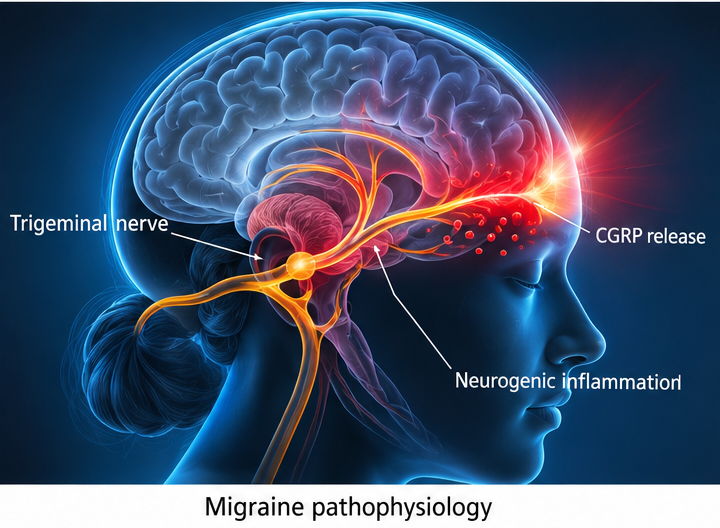
The underlying pathophysiology involves activation of the trigeminovascular system, altered neuronal excitability, and release of neuropeptides, particularly calcitonin gene-related peptide (CGRP). These mechanisms contribute to nociceptive signaling, neurogenic inflammation, and increased sensitivity to sensory stimuli.
Common migraine triggers include psychological stress, sleep disturbances, hormonal fluctuations, dehydration, irregular meals, and certain environmental stimuli.
Although migraine is generally diagnosed clinically, careful neurological assessment is essential to distinguish primary migraine from secondary causes of headache, including intracranial hemorrhage, intracranial mass lesions, infections, and vascular abnormalities.
Early diagnosis, appropriate acute pharmacological treatment, preventive therapy when indicated, and lifestyle modifications are important for reducing headache frequency, improving functional outcomes, and preventing progression to chronic migraine.
Case Presentation
A 29-year-old woman presented to the neurology outpatient department with recurrent episodes of severe headache over the preceding eight months.
The headaches were predominantly right-sided, pulsating in nature,
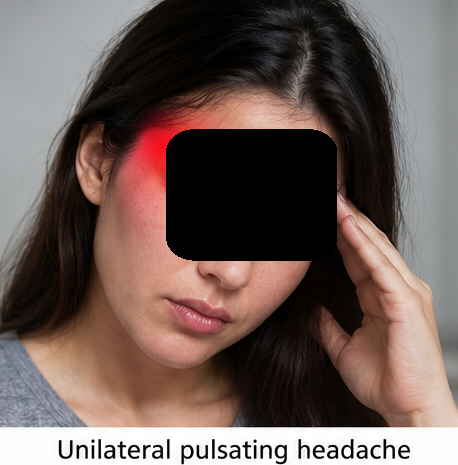
and associated with nausea, occasional vomiting, photophobia, and phonophobia.
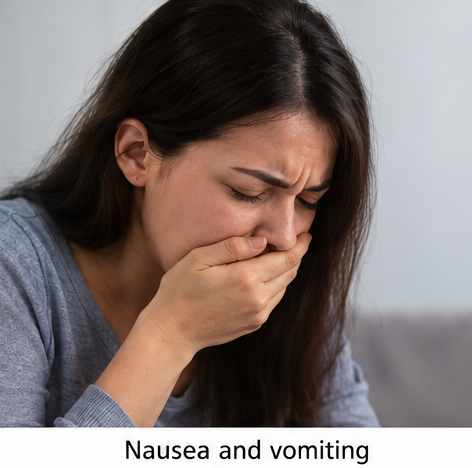
Each episode lasted approximately 12–24 hours when untreated and occurred three to four times per month.
The patient reported that headache intensity gradually increased over several hours, frequently interfering with her professional responsibilities and routine household activities.
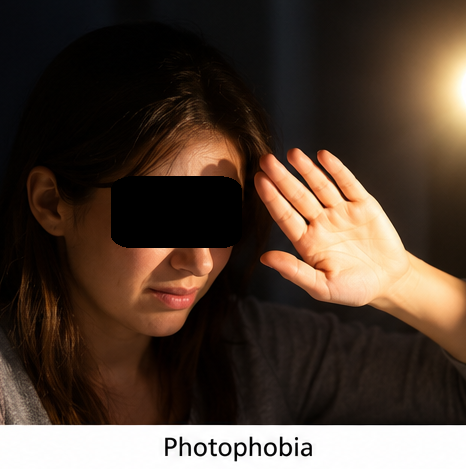
During severe episodes, she preferred to remain in a quiet, darkened room because exposure to bright light and loud sounds aggravated her symptoms.
The patient identified irregular sleep patterns, prolonged working hours, skipped meals, and psychological stress as potential headache triggers.
She denied experiencing visual disturbances, flashing lights, sensory abnormalities, speech difficulties, or other focal neurological symptoms preceding the headache.
There was no history of fever, head trauma, seizures, loss of consciousness, neck stiffness, or progressive neurological weakness.
She reported occasional use of over-the-counter analgesics, which provided inconsistent symptomatic relief.
Her mother had a history of recurrent migraine headaches.
The patient had no known history of hypertension, diabetes mellitus, epilepsy, or other chronic neurological disorders.
On examination, she was conscious, alert, oriented, and hemodynamically stable.
Initial vital parameters were:
- Blood pressure: 116/74 mmHg
- Heart rate: 82 beats/minute
- Respiratory rate: 16 breaths/minute
- Temperature: 36.7°C
- Oxygen saturation: 99% on room air
General physical examination revealed no pallor, dehydration, or systemic abnormalities.
Neurological examination demonstrated normal higher mental functions, intact cranial nerves, and preserved motor and sensory functions.
Muscle strength was graded 5/5 in all four limbs.
Deep tendon reflexes were normal and symmetrical, with bilateral flexor plantar responses.
Cerebellar examination revealed no abnormalities, and gait was normal.
Fundoscopic examination demonstrated no evidence of papilledema.
The combination of recurrent unilateral pulsating headaches, associated nausea, photophobia, phonophobia, normal neurological examination, and absence of aura suggested migraine without aura.
Investigations
Initial investigations were performed to evaluate possible contributing metabolic abnormalities and exclude secondary causes of headache.
Complete blood count revealed:
- Hemoglobin: 12.8 g/dL
- Total leukocyte count: 7,600 cells/µL
- Platelet count: 278,000 cells/µL
Biochemical investigations demonstrated:
- Serum sodium: 140 mmol/L
- Serum potassium: 4.2 mmol/L
- Serum calcium: 9.3 mg/dL
- Serum creatinine: 0.8 mg/dL
- Fasting blood glucose: 92 mg/dL
Liver and renal function tests were within normal limits.
Thyroid function testing demonstrated:
- Thyroid-stimulating hormone: 2.4 mIU/L
Magnetic resonance imaging of the brain, obtained during an earlier evaluation because of persistent recurrent headaches, revealed no significant intracranial abnormality.
There was no evidence of intracranial mass lesion, hydrocephalus, acute ischemic changes, or structural abnormalities.
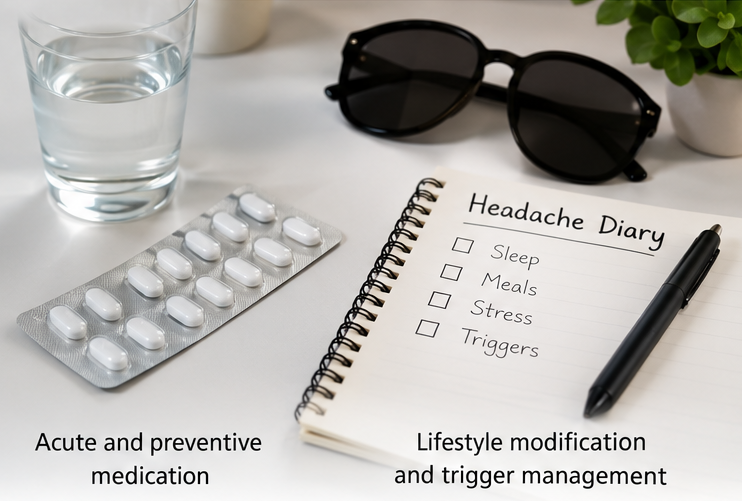
The patient was advised to maintain a headache diary documenting headache frequency, duration, intensity, associated symptoms, medication use, and potential triggers.
Review of the headache diary over four weeks demonstrated four migraine episodes, with an average headache intensity of 8/10 on the numerical pain rating scale.
The Migraine Disability Assessment (MIDAS) questionnaire yielded a score of 18, indicating moderate migraine-related disability.
Based on the characteristic clinical presentation and the International Classification of Headache Disorders, Third Edition (ICHD-3) diagnostic criteria, migraine without aura was diagnosed.
Diagnosis
The final diagnosis was:
Episodic Migraine Without Aura, Presenting With Recurrent Severe Unilateral Pulsating Headache, Nausea, Photophobia, Phonophobia, and Moderate Functional Disability.
The diagnosis was established clinically based on recurrent headache episodes fulfilling the diagnostic criteria for migraine without aura.
The normal neurological examination, absence of concerning secondary headache features, and unremarkable neuroimaging supported the diagnosis of a primary headache disorder.
Treatment and Management
The patient was initiated on a comprehensive migraine management plan involving acute pharmacological treatment, preventive therapy, trigger identification, and lifestyle modifications.
For acute migraine attacks, oral sumatriptan 50 mg was prescribed to be taken at headache onset, provided there were no contraindications.
Naproxen 500 mg was recommended as an alternative acute treatment when appropriate, with counseling regarding gastrointestinal precautions and avoidance of excessive analgesic use.
The patient was advised to avoid frequent use of acute headache medications to reduce the risk of medication-overuse headache.
Because of recurrent disabling migraine attacks, preventive pharmacological treatment was initiated.
Propranolol 20 mg twice daily was prescribed after evaluation of baseline blood pressure, heart rate, and relevant contraindications.
The dose was planned for gradual adjustment according to clinical response and tolerability.
The patient was counseled regarding possible adverse effects, including fatigue, dizziness, bradycardia, and hypotension.
Nonpharmacological management included maintaining regular sleep schedules, adequate hydration, consistent meal timings, and moderate physical activity.
She was encouraged to identify individual migraine triggers through continued headache diary documentation.
Stress management techniques, including relaxation exercises, breathing techniques, and scheduled breaks during prolonged working hours, were recommended.
The importance of limiting excessive caffeine consumption and avoiding prolonged fasting was emphasized.
The patient was educated regarding warning symptoms requiring urgent medical evaluation, including sudden-onset thunderclap headache, new focal neurological deficits, persistent altered consciousness, or significant changes in headache pattern.
Follow-up was scheduled after four weeks to assess headache frequency, treatment response, medication tolerability, and functional improvement.
Outcome and Follow-Up
At the four-week follow-up, the patient reported a reduction in headache frequency from approximately four episodes per month to two episodes.
The intensity of headache episodes had decreased, with an average pain score of 5/10 compared with the previous score of 8/10.
She reported improved response to acute treatment, with headache relief occurring within approximately two hours of medication administration during most episodes.
The patient tolerated propranolol without significant adverse effects.
Her blood pressure and heart rate remained within acceptable limits.
At the eight-week follow-up, the headache diary demonstrated further improvement, with only one to two migraine episodes during the preceding month.
The duration of individual attacks had decreased, and associated nausea and photophobia were less pronounced.
She reported improved work productivity and reduced absenteeism.
The MIDAS score decreased from 18 to 7, indicating improvement in migraine-related disability.
At three months, the patient continued to experience approximately one migraine episode per month, generally associated with sleep deprivation or increased psychological stress.
These episodes responded adequately to prescribed acute medication.
No new neurological symptoms or treatment-related complications were reported.
Preventive therapy was continued, with plans for periodic reassessment of headache control and medication tolerability.
The patient was advised to maintain regular follow-up and continue headache diary documentation.
Discussion
Migraine is a complex neurovascular disorder involving altered sensory processing, trigeminovascular activation, and dysregulation of pain-modulating pathways within the central nervous system.
Migraine without aura represents the most common clinical subtype and is characterized by recurrent headache episodes accompanied by sensory hypersensitivity and gastrointestinal symptoms.
The present illustrative case demonstrates a typical presentation of episodic migraine without aura in a young adult woman.
The unilateral pulsating nature of the headache, moderate-to-severe intensity, aggravation by routine activities, nausea, photophobia, and phonophobia were consistent with established diagnostic criteria.
Migraine attacks may involve several phases, including the premonitory phase, aura in susceptible individuals, headache phase, and postdrome.
Premonitory manifestations may include fatigue, mood changes, food cravings, neck discomfort, and altered concentration.
During the headache phase, activation of trigeminal nociceptive pathways and release of CGRP contribute to pain transmission and increased sensitivity to sensory stimuli.
CGRP is an important neuropeptide involved in migraine pathophysiology and has become a major therapeutic target for both acute and preventive migraine treatment.
The diagnosis of migraine is primarily clinical and relies on detailed headache history, assessment of associated symptoms, neurological examination, and application of ICHD-3 criteria.
Routine neuroimaging is generally unnecessary in patients with typical migraine symptoms, a normal neurological examination, and no concerning clinical features.
However, neuroimaging may be appropriate when atypical symptoms, progressive headache patterns, focal neurological deficits, or other red flags suggest possible secondary pathology.
In this case, previous magnetic resonance imaging demonstrated no structural intracranial abnormalities.
The differential diagnosis included tension-type headache, cluster headache, medication-overuse headache, and secondary headache disorders.
Tension-type headache commonly presents with bilateral pressing or tightening pain and is generally not associated with prominent nausea or vomiting.
Cluster headache typically produces severe unilateral orbital or temporal pain accompanied by ipsilateral autonomic symptoms, such as lacrimation, nasal congestion, or conjunctival injection.
Medication-overuse headache should be considered in patients experiencing frequent headaches associated with regular overuse of acute headache medications.
The patient's headache frequency and medication history did not support medication-overuse headache.
Acute migraine treatment aims to provide rapid pain relief, improve associated symptoms, and restore normal functioning.
Triptans are serotonin 5-HT1B/1D receptor agonists that inhibit trigeminovascular nociceptive transmission and are effective for many patients experiencing moderate-to-severe migraine attacks.
Nonsteroidal anti-inflammatory drugs are also commonly used for acute migraine treatment, particularly in mild-to-moderate attacks.
Preventive treatment should be considered when migraine attacks are frequent, disabling, inadequately controlled by acute medications, or associated with substantial impairment in quality of life.
Common preventive options include beta-blockers, certain antiepileptic medications, selected antidepressants, CGRP-targeted therapies, and other evidence-based interventions.
In the present case, propranolol was selected as preventive therapy because of the frequency and functional impact of the migraine episodes.
Beta-blockers such as propranolol are established preventive treatment options and may reduce migraine frequency and severity in appropriately selected patients.
Lifestyle modification is another important component of migraine management.
Irregular sleep, psychological stress, dehydration, and missed meals may contribute to migraine susceptibility in certain individuals.
Headache diaries help identify potential triggers, monitor medication effectiveness, and objectively evaluate treatment response.
Disability assessment instruments, including MIDAS, provide additional information regarding the impact of migraine on professional, social, and daily activities.
In this case, improvement in headache frequency, intensity, and MIDAS score suggested a favorable response to combined pharmacological and nonpharmacological management.
Long-term migraine care requires individualized treatment selection, regular monitoring, and reassessment of preventive therapy according to clinical response.
This case highlights the importance of recognizing characteristic migraine features, excluding secondary headache disorders when indicated, and implementing a structured management strategy to improve functional outcomes.
Conclusion
Migraine without aura is a common neurological disorder that can cause substantial functional disability and negatively affect quality of life.
Recurrent unilateral pulsating headache accompanied by nausea, photophobia, and phonophobia should prompt consideration of migraine, particularly when neurological examination is normal and no secondary headache warning features are present.
Accurate clinical diagnosis, appropriate acute treatment, preventive pharmacotherapy when indicated, and identification of individual triggers are essential components of effective migraine management.
Regular headache monitoring and disability assessment can help evaluate treatment response and guide long-term therapeutic decisions.
This illustrative case emphasizes that individualized migraine management combining pharmacological therapy with lifestyle modification can substantially reduce headache burden and improve daily functioning.
References
1. Headache Classification Committee of the International Headache Society (IHS). The International Classification of Headache Disorders, 3rd edition. Cephalalgia. 2018;38(1):1–211. https://doi.org/10.1177/0333102417738202
2. Goadsby PJ, Holland PR, Martins-Oliveira M, Hoffmann J, Schankin C, Akerman S. Pathophysiology of migraine: A disorder of sensory processing. Physiol Rev. 2017;97(2):553–622. https://doi.org/10.1152/physrev.00034.2015
3. Ashina M. Migraine. N Engl J Med. 2020;383(19):1866–1876. https://doi.org/10.1056/NEJMra1915327
4. Silberstein SD. Preventive migraine treatment. Continuum (Minneap Minn). 2015;21(4 Headache):973–989. https://doi.org/10.1212/CON.0000000000000199
5. Ailani J, Burch RC, Robbins MS; Board of Directors of the American Headache Society. The American Headache Society consensus statement: Update on integrating new migraine treatments into clinical practice. Headache. 2021;61(7):1021–1039. https://doi.org/10.1111/head.14153
Read more such content on @ Hidoc Dr | Medical Learning App for Doctors
Recommended News For You
Recommended Articles For You
Featured News
Featured Articles
Featured Events
Featured KOL Videos
1.
Weight-Based and Fixed-Dose Pembrolizumab Compared in NSCLC
2.
ROS1-Targeting Lung Cancer Drug Yields 90% Response Rate
3.
Prior authorizations draining time, energy from many cancer patients
4.
Providing essential cancer care to rural communities
5.
For the treatment of vestibular schwannomas in neurofibromatosis type 2, stereotactic radiosurgery has been found to be effective.
1.
Biomarkers of Hematopoietic Reserve During Repeated Physiological Stress
2.
ctDNA in Aggressive B-Cell Lymphoma: Redefining MRD and Prognostic Monitoring
3.
Obesity is a major risk factor for cancer
4.
Everything You Need to Know About HTLV: A Comprehensive Guide
5.
Advancing Oncology Careers with Education, Workflow Tools, and Clinical Resources
1.
International Conference on Innovations in Critical Care for Oncology and Cardiology
2.
International Conference on Oncology, Cardiology and Critical Care Policy
3.
International Conference on Oncology, Cancer Prevention and Public Health
4.
International Conference on Cancer Nursing and Rehabilitation Strategies
5.
International Conference on Best Practices in Oncology, Cardiology and Critical Care
1.
Current Scenario of Cancer- Q&A Session to Close the Gap
2.
An Eagles View - Evidence-based discussion on Iron Deficiency Anemia- Important Points to Know
3.
Pazopanib Takes Center Stage in Managing Renal Cell Carcinoma - Part I
4.
Pazopanib: A Game-Changer in Managing Advanced Renal Cell Carcinoma - Part V
5.
Sickle Cell Disease Explained

Address :
Hidoc Dr. Inc. | Delaware C Corp | 1309 Coffeen Ave. Suite 1200, Sheridan WY, 82801
Phone :
+1-415-463-3094
Email :
anishagadia@hidoc.co
© Copyright 2026 Hidoc Dr. Inc.
Terms & Conditions - LLP | Inc. | Privacy Policy - LLP | Inc. | Account Deactivation

To get started please enter your email ID
Welcome to Hidoc Dr.
Join to enhance your clinical skills and gain specialized in-depth medical knowledge